Introduction
In today’s fast-paced digital landscape, UK businesses depend heavily on reliable, efficient helpdesk services. Whether supporting remote workers, handling cybersecurity challenges, or managing critical business applications, having a well-run helpdesk can make all the difference. This post explores proven best practices to ensure your technical support resources are truly effective — reducing downtime, boosting user satisfaction, and enabling your business to thrive.

1. Establish Clear Support Procedures
- Define standard operating procedures (SOPs) for common issues — categorization, initial triage, escalation levels.
- Set protocols for how different channels (phone, email, chat, portal) are used.
- Ensure staff follow consistent steps for logging tickets, assigning priority, and documenting actions.
-
Regularly review and update procedures as tools, business needs, or technology change.

2. Use a Robust Ticketing System & Prioritisation Framework
- Implement a ticketing tool that supports: ticket categorisation, tagging, different statuses (e.g. New, In Progress, On Hold, Closed). htl.london+2onedesk.com+2
- Define prioritisation rules: severity, impact, number of users affected. htl.london+1
- Set Service Level Agreements (SLAs) that are realistic and aligned with business requirements. Response and resolution times should be clearly defined. KDIT+2onedesk.com+2
3. Automate Where Possible to Reduce Bottlenecks
- Use workflows to auto-route tickets to correct teams or technicians.
- Set up alerts for tickets exceeding SLA thresholds or going idle. htl.london+2onedesk.com+2
- Provide a self-service portal/knowledge base so users can find solutions for common issues without opening tickets. Capacity+1
- Use canned responses/templates for very frequent issues to save agent time, but allow customisation.
4. Maintain a Knowledge Base & Self-Service Resources
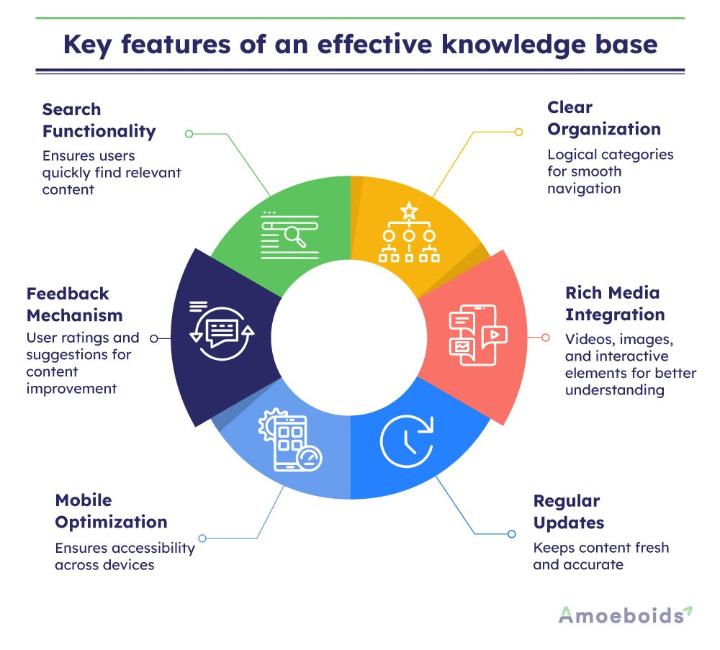
- Collect frequently asked questions, troubleshooting guides, how-to articles.
- Make sure content is well-structured, searchable, and up to date.
- Use feedback from support tickets to identify gaps: what users repeatedly need help with.
- Encourage staff to contribute to the knowledge base; ensure others learn from resolved tickets.
5. Prioritise Communication & User Experience
- Keep users informed: when ticket is logged, when it’s being worked on, delays or escalations. Expectation management.
- Empathy and clear, simple language — many users aren’t technical, feel frustrated. Soft skills matter. Indeed+1
- Offer multiple channels for support (phone, email, chat, portal) so users can choose what works for them.
6. Monitor & Report on Key Metrics
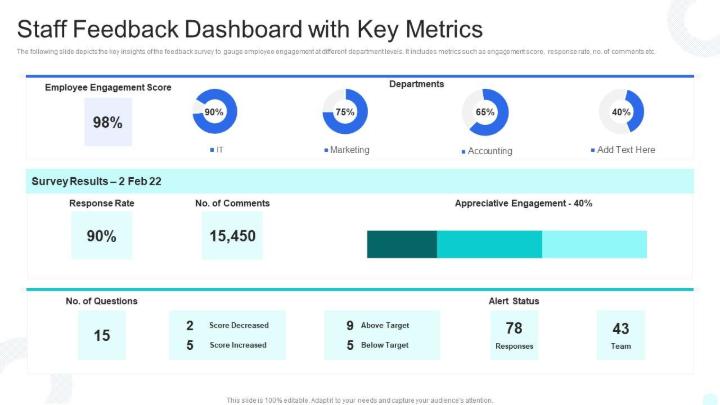
- Track KPIs such as first response time, average resolution time, first contact resolution rate, ticket volume, backlog, customer satisfaction scores. Capacity+2My Blog+2
- Produce regular reports (weekly, monthly) to spot trends, recurring problems, or resource strains.
- Use dashboards to visualise status of tickets, SLAs, bottlenecks.
7. Provide Ongoing Training & Support for Helpdesk Staff
- Technical training (new tools, security, system changes).
- Customer service training: handling difficult users, communication under pressure, empathy.
- Peer reviews, shadowing, mentoring.
- Keep staff up to date with best practices, changes in compliance or in relevant regulation (e.g. GDPR).
8. Use Customer Feedback & Continuous Improvement
- After ticket resolution, collect feedback (surveys, ratings) about whether the solution was satisfactory, speed, experience.
- Analyse feedback for recurring themes (e.g. poor timing, unclear instructions).
- Use insights to tweak processes, documentation, staff training, and to improve SLAs.
Conclusion
An effective helpdesk is more than just fixing technical problems — it’s about delivering consistent, user-centred support that aligns with business priorities. By defining clear procedures, leveraging automation, keeping documentation robust, and measuring what matters, UK businesses can elevate their technical support from reactive to proactive, build trust with users, and maintain operational resilience.